Online Quran Classes for Kids: A Complete Guide for Parents
If you have ever searched for online Quran classes for kids, you already know the feeling: dozens of options, wildly different prices, and no clear way to tell which ones are genuinely good. As a parent, you want your child to learn the Quran properly, with a qualified and trustworthy teacher, without sacrificing the quality you would expect from in-person lessons.
This guide answers the real questions parents ask before enrolling their child, so you can make a confident, informed decision.
Do Online Quran Classes Actually Work for Children?
This is the first question most parents have, and it is a fair one. The short answer is: yes, when they are structured well.
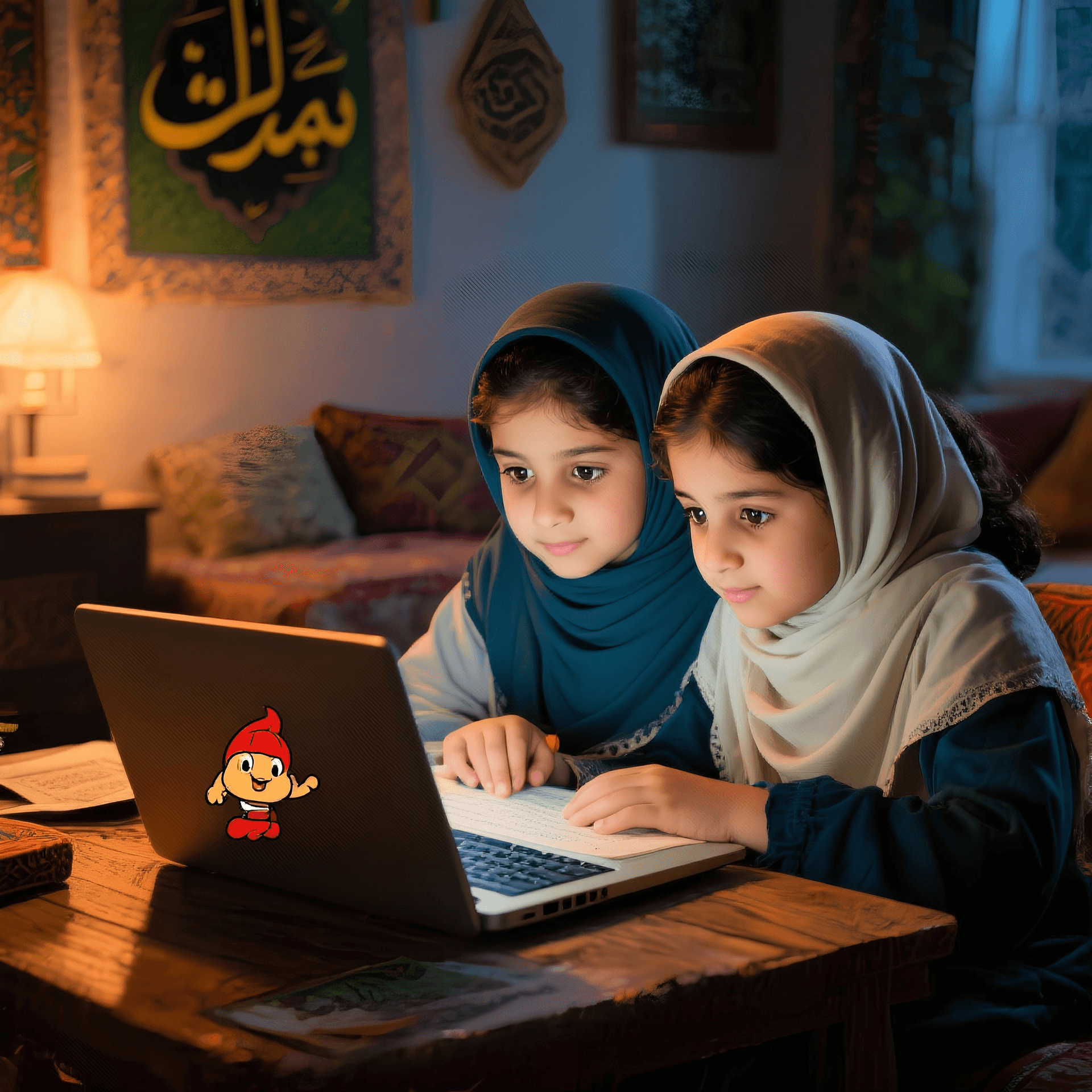
Online learning has matured enormously. A live, one-to-one online Quran class with a dedicated teacher can be every bit as effective as sitting in the same room, and in some ways more so. The child receives the teacher's full, undivided attention. There is no travel time. Lessons can be scheduled around school and family life. And because the sessions are online, your child can be taught by a highly qualified teacher who may be thousands of miles away.
The key word is structured. A casual, unmonitored arrangement with an unverified tutor is very different from a proper institution with a defined curriculum, progress tracking, and quality oversight. The technology is not what makes online learning succeed or fail. The structure around it is.
How Do Online Quran Classes for Kids Work?
A well-run online Quran programme typically works like this:
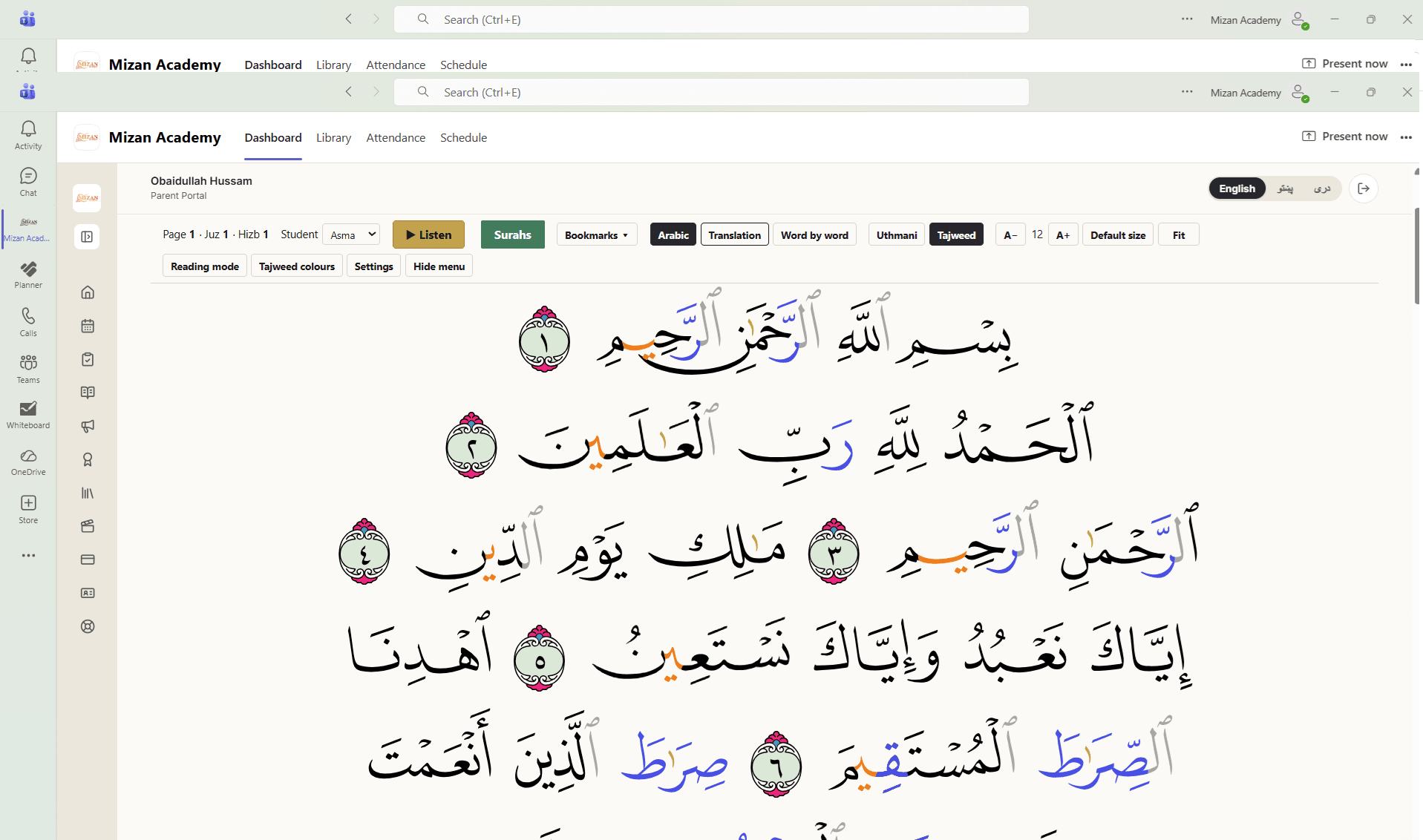
A child is matched with a qualified teacher and given a regular weekly schedule, often two, three, or five sessions per week depending on the family's goals. Classes are held live over a video platform such as Microsoft Teams, where teacher and student can see and hear each other clearly. The teacher listens to the child recite, corrects pronunciation and Tajweed in real time, and guides them through their learning step by step.
Good programmes do not stop at recitation. Each session also builds the child's wider Islamic foundation — belief, practice, the life of the Prophet ﷺ, and good character — so the child grows in understanding, not just fluency. Progress is tracked over time so parents can see exactly how their child is developing.
What Should Parents Look for in an Online Quran Academy?
Not all providers are equal. Here is what genuinely separates a high-quality academy from the rest:
Qualified, verified teachers. Ask who will be teaching your child and what their qualifications are. A serious academy verifies its teachers and holds them to a consistent standard, rather than acting as a loose marketplace of unvetted individuals.
A structured curriculum. Look for a clear path: what your child will learn, in what order, and how progress moves from one level to the next. Random lessons with no plan produce slow, inconsistent results.
Quality oversight. The best institutions actively monitor teaching quality through evaluation and observation, rather than leaving each teacher entirely to themselves. This protects your child's learning and ensures a consistent experience.
Progress visibility for parents. You should be able to see how your child is doing — attendance, what they have covered, and how they are progressing — rather than being left in the dark between lessons.
Child safety and professionalism. For online classes especially, look for an institution that takes safeguarding seriously and operates professionally, with proper systems rather than informal arrangements.
A trial before you commit. A confident academy will let you try a class before subscribing, so you can see the teaching quality for yourself.
How Much Do Online Quran Classes for Kids Cost?
Pricing varies by frequency and format. As a general guide, expect monthly subscriptions based on how many sessions per week your child attends. One-to-one classes, where your child has the teacher's full attention, are priced according to frequency, and most quality academies offer discounted family packages when several children from the same family enrol together.
When comparing prices, look beyond the headline number. A slightly higher fee for a structured institution with qualified teachers, quality oversight, and progress tracking is almost always better value than a cheaper, unstructured option where quality is a gamble. You are investing in your child's relationship with the Quran. Consistency and quality matter more than saving a few pounds or dollars a month.
One-to-One Classes vs Group Classes: Which Is Better?
For most children, especially beginners, one-to-one classes are the gold standard. The teacher can move at exactly your child's pace, correct mistakes immediately, and keep the child fully engaged. There is nowhere to hide and no waiting for others, so progress is faster.
Group or family classes can work well for siblings learning together and can be more economical. The right choice depends on your child's age, level, and personality. A good academy will help you decide during your consultation rather than pushing a one-size-fits-all option.
How to Get Started
Starting is simpler than most parents expect:
Shortlist two or three academies using the criteria above.
Book a free trial or consultation with each. This is the single most revealing step. You will quickly sense the difference between a professional institution and an informal arrangement.
Watch a class and notice how the teacher engages your child, corrects them kindly, and keeps them focused.
Choose the one that combines qualified teaching, a clear structure, and a warm, professional environment.
Set a consistent schedule and protect it. Regularity is the secret ingredient in Quran learning.
The Bottom Line
Online Quran classes for kids work, and work well, when they are built on the right foundation: qualified teachers, a structured curriculum, genuine quality oversight, and visibility for parents. The convenience of learning from home, combined with access to excellent teachers anywhere in the world, makes online learning one of the best options available to Muslim families today, particularly those raising children far from a Muslim-majority community.
The most important decision is not online versus in-person. It is structured versus unstructured. Choose an institution that takes your child's learning as seriously as you do.
Mizan Academy is a structured online Islamic education institution serving Muslim families worldwide. Every child is taught by a qualified teacher on a reliable schedule, with Quran recitation, Tajweed, and a full Islamic foundation in every session — backed by progress tracking and dedicated quality oversight. One-to-one and family packages are available.
Book your free trial class today and see the difference structure makes, insha'Allah.